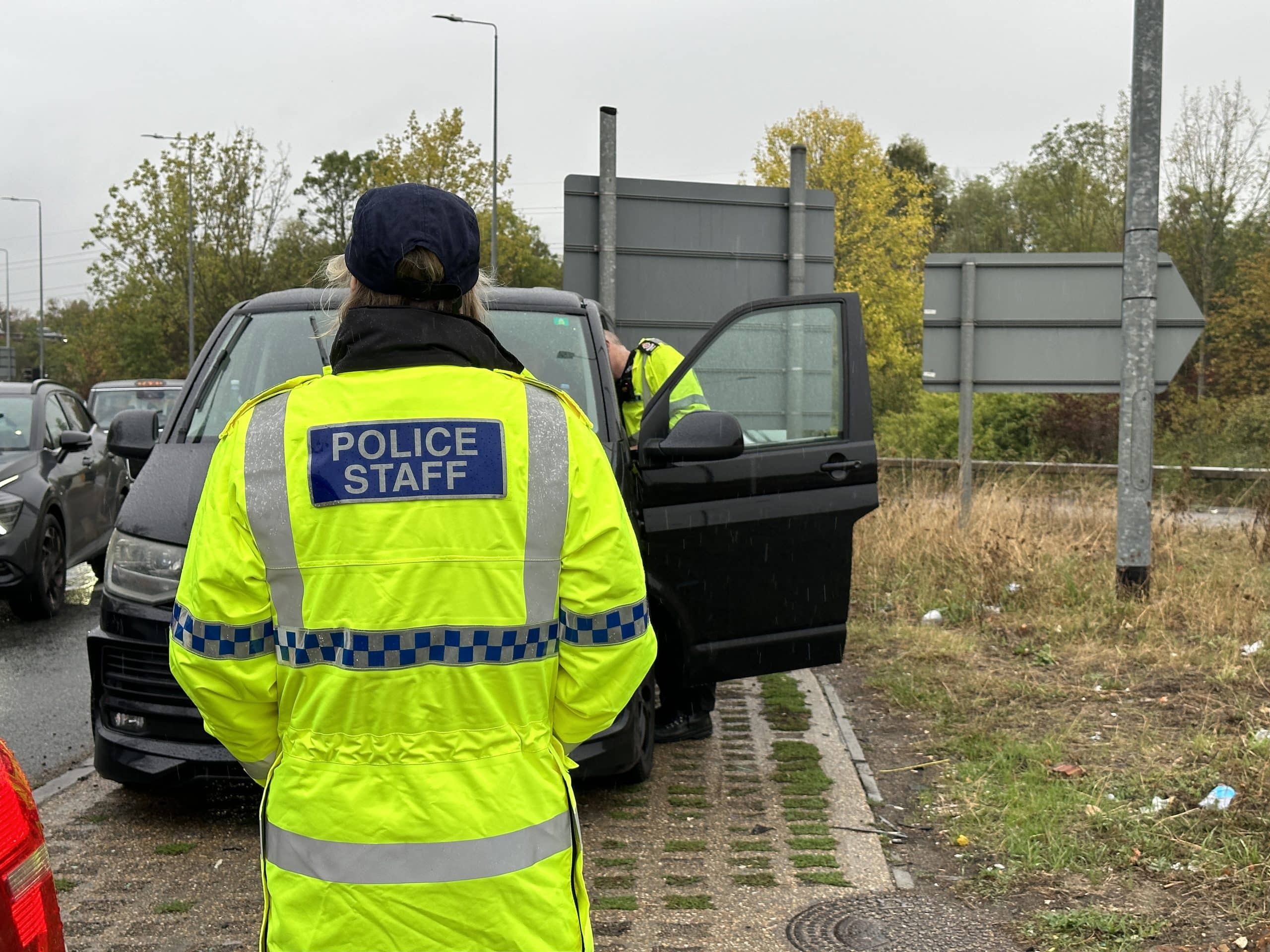
Commissioner helps fellow type 1 diabetic driver during emergency on motorway

Hidden behind Police and Crime Commissioner Lisa Townsend’s watch strap is a clue about a condition that has had a profound impact on her life since her diagnosis at 9 years old.

It’s a tattoo on her wrist that says ‘diabetic’ – and it’s there in case her blood sugar drops or rises to dangerous levels, rendering her confused, disorientated and potentially unable to take care of herself.

Type 1 diabetics

Most of us produce the hormone insulin, which allows the food we eat to be used for energy, while maintaining a healthy blood sugar level, but for type 1 diabetics the pancreas doesn’t produce any insulin. This means that their blood sugar can rise to severely high levels. A diabetic’s blood sugar levels can also fall dangerously low and the term ‘hypoglycaemia’ is used to describe this condition. When this happens, a diabetic can become dizzy, start to shake, feel weak and tired – this is commonly known as a ‘hypo’.

At its worst, a diabetic emergency can lead to breathing difficulties, unconsciousness and even coma and death.  Most type 1 diabetics are diagnosed with the life-long, autoimmune condition as children or teenagers, but it can be diagnosed at any age.  The only treatment is to replace the insulin in the body that it’s unable to produce via multiple daily injections, or an insulin pump. 

Many of us will be familiar with the more common type 2 diabetes, which accounts for over 90% of all diabetics and is typically diagnosed later in life.  It is often able to be managed by diet alone, or diet and tablets but in some cases will also require injections. 

‘Strike out stigma’ campaign

To mark Diabetes Week 2026 and the ‘Strike Out Stigma’ campaign, the Commissioner wanted to share a story to raise awareness of the condition and support the 80% of diabetics who say that they regularly face negative attitudes from people passing judgement or blaming and shaming those living with both type 1 and type 2 diabetes.  

‘Intoxicated driver’

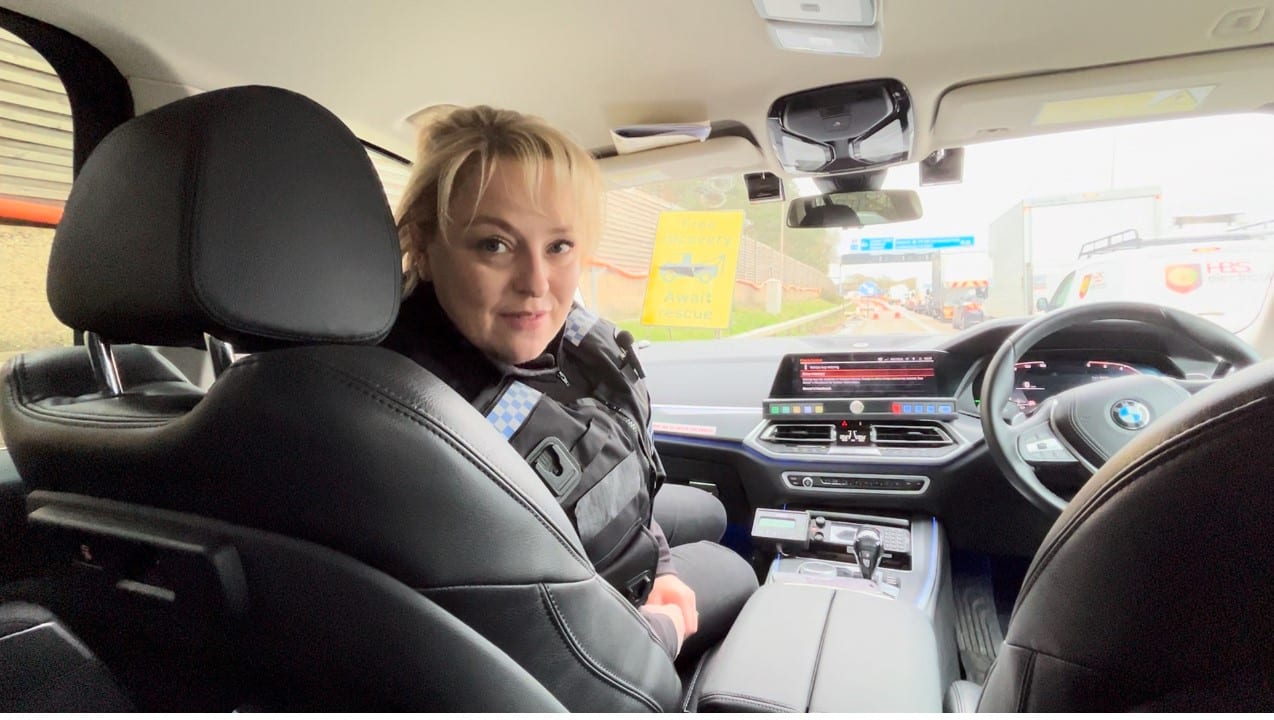
One Saturday night last December, Lisa was on shift with Sergeant Phil Dix from Surrey Police’s Roads Policing Unit when a call came through about an ‘intoxicated driver’ on the M3 near Esher. As they raced to the scene, another call came through to confirm that rather than being drunk, the driver appeared to have suffered a medical incident – possibly as a result of their diabetes. Sgt Dix was able to let teams at the scene know that the Commissioner who has first-hand knowledge of this type of medical emergency was moments away.

Lisa spent time with the driver who was lethargic, confused and barely able to lift their head – all the signs of a diabetic in a low sugar state or ‘hypo’ – and sadly easy to mistake for intoxication. The driver had little idea of where he was and what was going on. He slowly remembered his mobile phone password and an app monitoring their blood sugar confirmed dangerously low levels.

With an ambulance more than an hour away, Lisa was able to share some of her dextrose gummy sweets that she always carries to deliver sugar directly into his system and bring blood sugars back up to a safe level.  The impact of the sweets was rapid and within 15 minutes, the driver was almost recovered. The driver was a type 1 diabetic.  Feeling shaken and delicate, officers drove him safely home.

‘Right place at the right time’

Lisa said: “Having a hypo is frightening. While it may appear that you’re drunk, perhaps slurring slightly or shaking, it certainly doesn’t feel that way.

“I was so pleased to have been able to help that driver in need and be in the right place at the right time.

“Having diabetes can still catch me off guard.  I could do exactly the same thing for seven days in a row, and on the seventh day, for seemingly no reason at all, I can have a hypo.

“Advances in medicine have made life easier for diabetics. However, I support this year’s campaign to cut the stigma of diabetes by raising awareness to a condition that can prompt negative judgements and commentary.”

Essential advice

Diabetes UK has some essential advice for diabetic drivers, and you can find out everything you need to know here.  They also have a handy ‘hypo’ checklist for motorists.  For Type 1 or Type 2 diabetes, the advice is:

  • Stay safe by taking breaks
  • Know the symptoms of a ‘hypo’ and keep treatments where they can easily be reached in the car.
  • Check blood glucose levels before setting off and every two hours on long journeys and ensure that blood sugar levels are at 5mmol/l or above before driving.
  • Eat some carbohydrates if blood sugar levels drop below 5mmol/l.
  • If you start to have a hypo while driving, find somewhere safe to stop immediately, switch off the engine, and take fast-acting carbs. Don’t drive again for 45 minutes after your blood sugar has gone back to normal.

Planned reforms will silence residents’ voices on policing says Surrey’s Police Crime Commissioner

Surrey’s Police and Crime Commissioner Lisa Townsend has voiced her concerns that wide-ranging police reform announced today will take away the public’s voice on policing in Surrey.

The Commissioner said the new planned police structure unveiled in the Home Office’s white paper on police reform will place unprecedented power in the hands of just two people at the centre.

These two people are the Home Secretary and the Commissioner of a new National Police Service.

Lisa said she feared that, coupled with plans to merge local forces, this would result in any local accountability being lost.   

While police reform is badly needed, there is little evidence base for many of the proposals outlined in today’s white paper, and that significant investment will be required to successfully implement many of the plans, she said.

The Commissioner said: “There is no argument that police reform is long overdue.

“There is merit in a National Police Service to handle some of the more complex crime investigation, such as fraud and counter terrorism.

“But the plans are to also draw functions such as roads policing into the centre, which I believe will be detrimental to those teams who will lose that local knowledge that is so important to the work they do.

“The white paper also outlines how targets will be set for 999 performance and deployment to incidents.

“Here in Surrey, we are already meeting those targets and I fail to see how this will drive further improvements.

“I have already said any potential Surrey Police merger with neighbouring forces would be a disaster for our residents.

Having now seen the detail in today’s white paper, there is little to allay my fears that resources would be diverted from Surrey communities, diluting our neighbourhood policing.

“Policing must be rooted in the local communities it serves.

“By placing all the power and decision-making in the hands of only two people, my fear is that local accountability will be lost and the ability of local residents to shape how policing affects their lives will be severely restricted.

“This year marks the 175th anniversary of Surrey Police.

“There will be many in the county wondering today how many years it has left.”

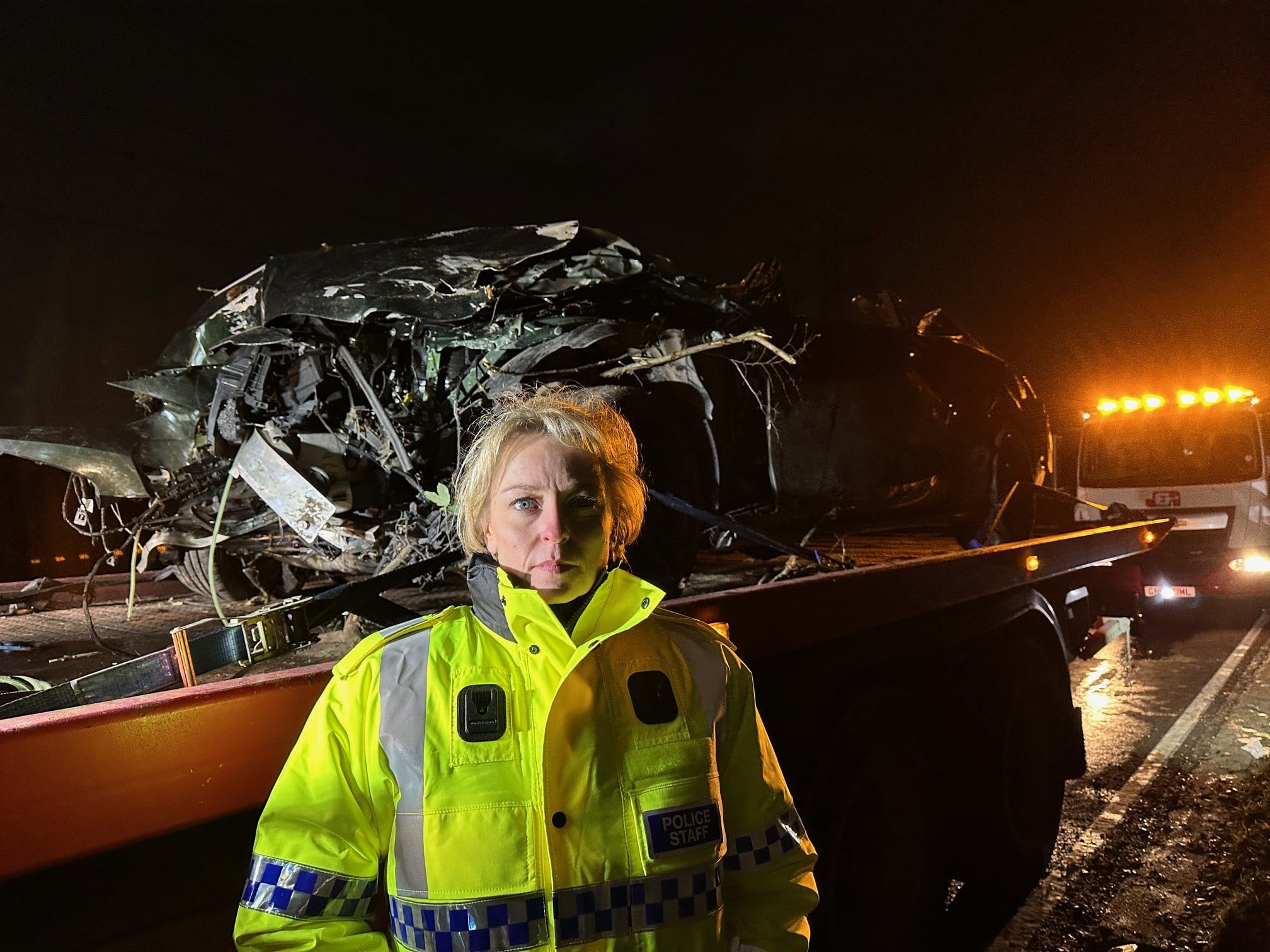
The photograph shows Police and Crime Commissioner Lisa Townsend, a blonde woman wearing a high-visibility jacket. She is standing in front of the wreckage of a car which has been lifted onto a low-loader. She has a stern expression on her face and is looking directly into the camera.

Record number of arrests made during Christmas crackdown on drink and drug driving

A record 369 arrests have been made during Surrey’s annual Christmas crackdown on drink and drug driving.

Operation Limit takes place throughout December, a month when offending on the roads typically rises.

During the initiative, patrols, roadside checks and testing were carried out across the county, with a focus on town centres, key roads and the night-time economy.

For the second year in a row, more people were arrested for drug driving than drink driving. A total of 167 people were arrested after taking drugs before getting behind the wheel, while 81 people were detained for driving after consuming alcohol.

Operation Limit is part of a nationally coordinated effort led by the National Police Chief’s Council (NPCC), to reduce serious injuries and fatalities caused by driving under the influence of drink and/or drugs during one of the highest-risk times of the year.  

Police and Crime Commissioner Lisa Townsend joined the Roads Policing Unit on a patrol shortly before Christmas.

During the shift, the team carried out stop-checks in Guildford. They were also called to the scene of a crash on the Staines Bypass.

The passenger was seriously hurt and needed to be cut free. Investigations into the collision continue.

Lisa said: “December regularly sees an increase in collisions and arrests linked to drink and drug driving, particularly around weekends, Christmas parties and the morning after a driver has consumed alcohol.

“It is never acceptable to drink or take drugs before getting behind the wheel, and the consequences of such an appalling and selfish decision can be devastating.

“Outstanding work by Surrey’s roads policing teams across the county have led to a significant and alarming number of arrests over Christmas.

“It is deeply frustrating that the following needs to be said at all: drink and drug driving ruins lives. The consequences can be catastrophic.

“Let these arrests be a lesson – our officers can’t be everywhere, but they could be anywhere.”

Chief Inspector Karen Coyne, Roads Policing Operational Command Lead said: “Through targeted patrols, proactive stops and roadside testing, we have removed a significant number of impaired drivers from our roads, helping to protect all road users. Every arrest represents a potential tragedy prevented.  

“Drink and drug driving ruins lives not just for those behind the wheel, but for families, passengers, and everyone using the road networks.

“Our officers have worked relentlessly during a period of increased risk for serious and fatal collisions involving drink or drugs to keep communities safe.

“While Operation Limit brings increased visibility during the winter period, our patrols and roadside checks continue 365 days a year.” 

Driving under the influence of drink and/or drugs continues to be a leading cause of fatal and serious collisions. Even when the effects of alcohol or drugs have worn off, they can still impair judgement and reaction times.  

The consequences of a drink or drug driving conviction could include: 

  • A minimum 12-month ban; 
  • An unlimited fine; 
  • A possible prison sentence; 
  • A criminal record, which could affect your current and future employment; 
  • An increase in your car insurance; 
  • Trouble travelling to countries such as the USA;
  • You could seriously injure yourself or others, or cause a fatal collision. 

In December 2025, there were 369 arrests, including:

  • 39 arrests for driving while unfit through drink and drugs
  • 81 arrests for drink driving
  • 167 arrests for drug driving
  • 82 arrests for other offences discovered during Op Limit activity

In December 2025, there were 196 arrests including:

  • 140 for drug driving
  • 84 for drink driving
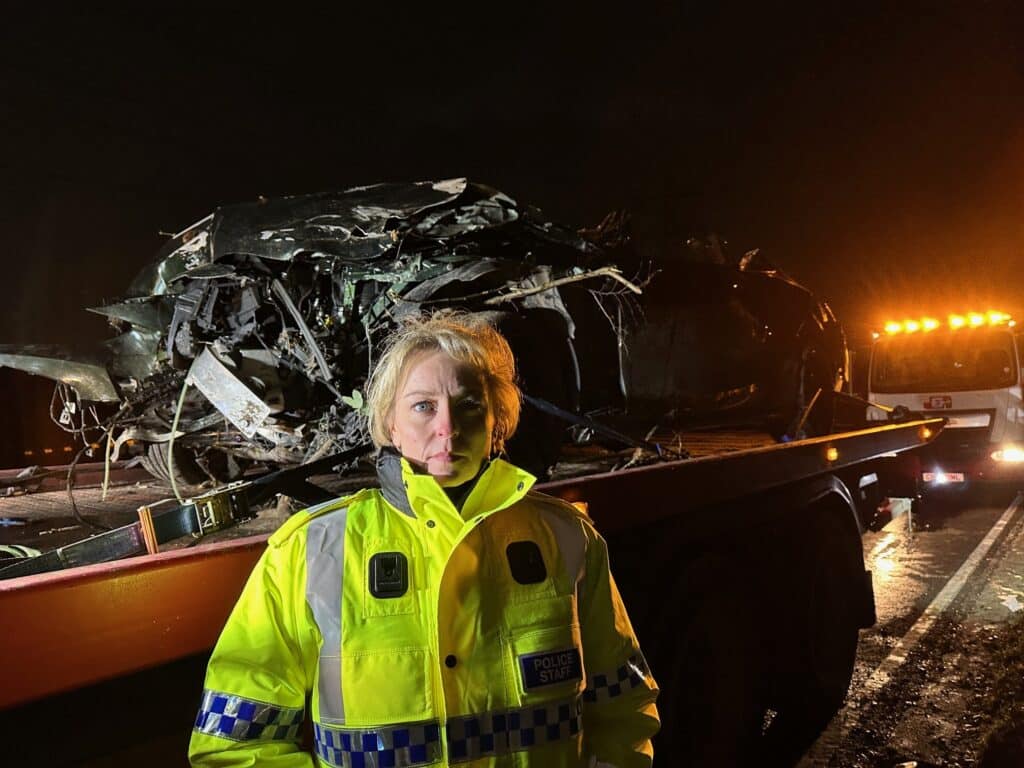
The photograph shows Police and Crime Commissioner Lisa Townsend, a blonde woman wearing a high-visibility jacket. She is standing in front of the wreckage of a car which has been lifted onto a low-loader. She has a stern expression on her face and is looking directly into the camera.

Commissioner Lisa Townsend was called to a crash during a shift with the Roads Policing Unit for Op Limit

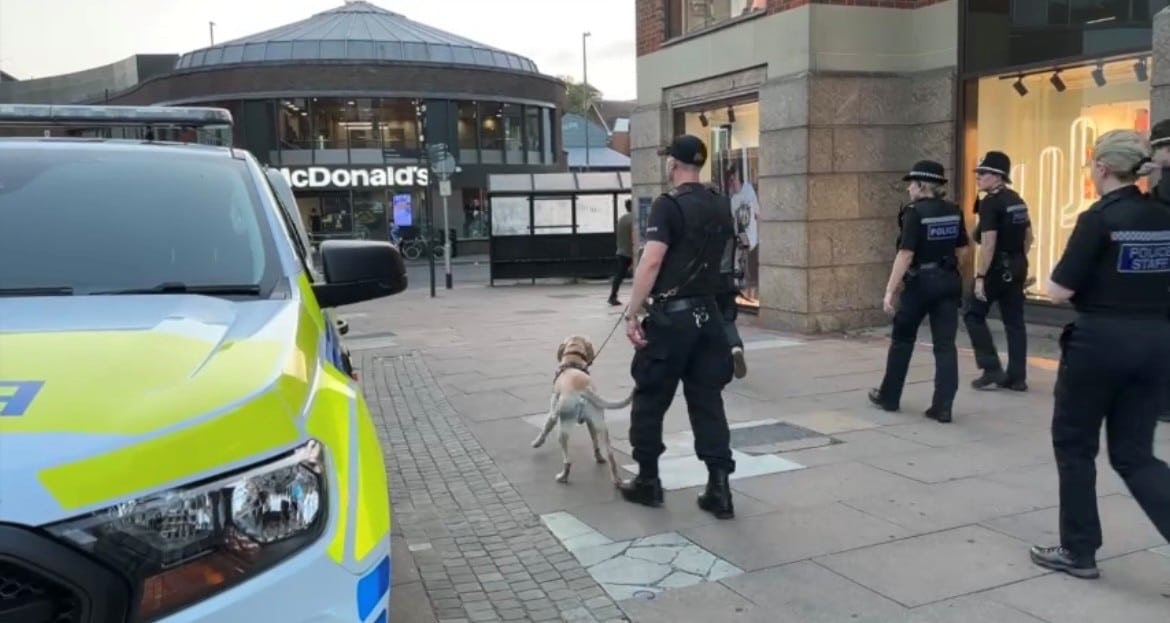
The image shows a group of police officers in uniform walking through Guildford town centre. In front of them is a McDonald's. One of the officers has a sniffer dog on a lead. To the left of the image is a marked police car.

“Major successes” achieved during Surrey’s Safer Streets Summer initiative, Commissioner says

A summer crackdown on criminality has resulted in a series of “major successes” across Surrey, the county’s Police and Crime Commissioner says. 

The Safer Streets Summer initiative, which bolstered crime prevention and community safety, targeted crime types that typically increase during the summer months. 

These include anti-social behaviour, violence against women and girls, retail crime and violent offending. 

Eleven town centre locations across the county were chosen for the initiative, including Staines, Addlestone, Farnham, Camberley, Dorking and Caterham. 

Now the Commissioner, Lisa Townsend, has thanked all those involved with the scheme’s success. Surrey Police, local schools, councils, health services, businesses, and community organisations partnered with the Office of the Police and Crime Commissioner to deliver a range of initiatives. 

During the blitz, each of the town centres saw activity targeted at specific issues impacting communities. High-visibility police patrols and operations led to a series of arrests across the county, including: 

  • A drug dealer found with 32 wraps of cocaine in a sock and two youths found with telescopic batons, large quantities of cannabis and scales in Elmbridge 
  • A man accused of five counts of sexual assault and a 30-year-old man accused of offences including theft of a motor vehicle and driving under the influence of cannabis in Epsom and Ewell 
  • Suspected shoplifters detained moments after the alleged offences took place during two separate incidents in Mole Valley 
  • A man suspected of stealing an e-bike he was riding, as well as additional offences of possessing drugs and a bladed article, in Reigate and Banstead 
  • Three arrests relating to an operation tackling anti-social riding of motorbikes and mopeds in Tandridge 

A number of those arrests arose after officers stopped and searched people riding e-bikes. Further arrests were made during plain-clothed patrols. 

Officers also worked with key partners to raid shops selling illegal vapes and alcohol to children, while plain-clothed officers visited pubs and clubs in busy night-spots to look for signs of predatory behaviour. 

Meanwhile, youth engagement officers worked with partners to create opportunities for children and young people during the six-week summer break. 

The Commissioner said: “Surrey’s Safer Streets Summer has resulted in a series of major successes across each of the 11 town centres. 

“And while summer has come to an end, our work tackling criminality that blights our communities continues, now and forever. 

“This initiative put a spotlight on the work our fantastic policing teams do every single day.

“But the bread-and-butter police work of investigating, patrolling, dealing with criminality and aiming to prevent offending from every taking place will never end. 

“I’d like to thank everyone who contributed to the achievements of the summer. This includes police officers and staff, councils, local Business Improvement Districts and the organisations supporting children and young people. 

“There’s much more to come, and I look forward to updating Surrey’s residents in the weeks ahead.” 

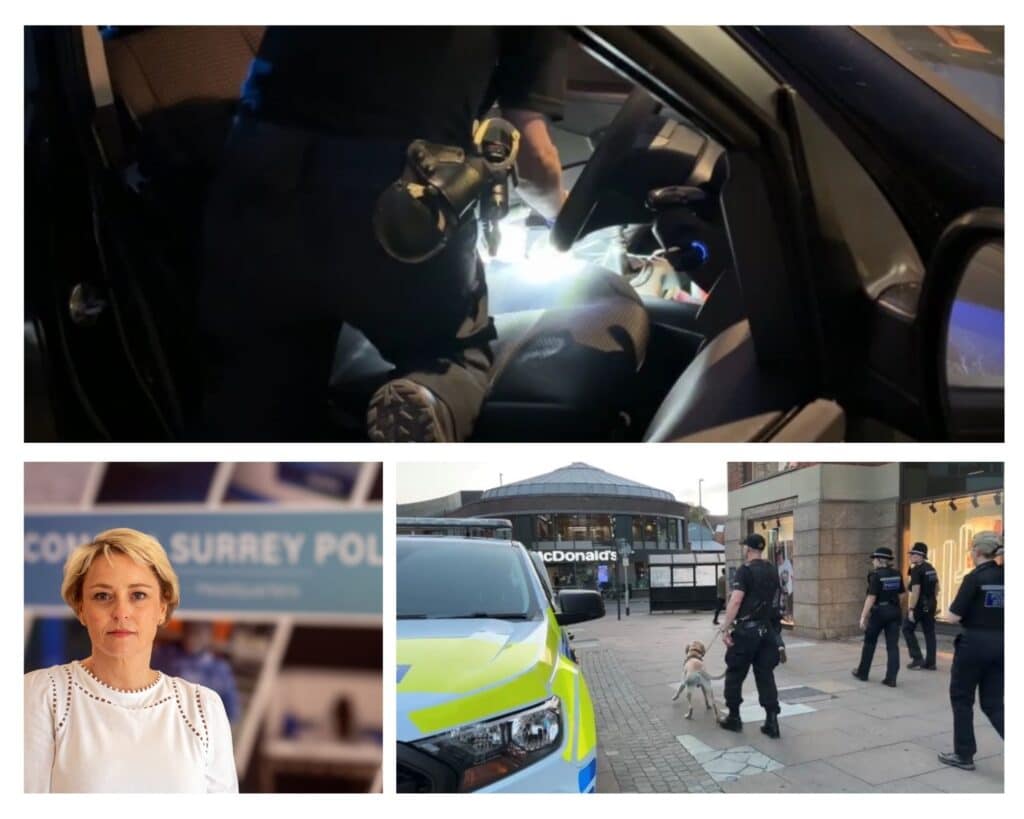
The picture shows three images. The largest, at the top, shows a police officer on his knees inside a car. He has handcuffs at his belt and is looking behind a seat with a torch. At the bottom left is a photograph of Police and Crime Commissioner Lisa Townsend, a blonde woman in a white shirt. She is looking into the camera with a serious expression. Behind her is a large sign, and the words 'Surrey Police' are visible. To the right is an image of officers in uniform walking through Guildford town centre close to a McDonald's. One of the officers has a sniffer dog on a lead.
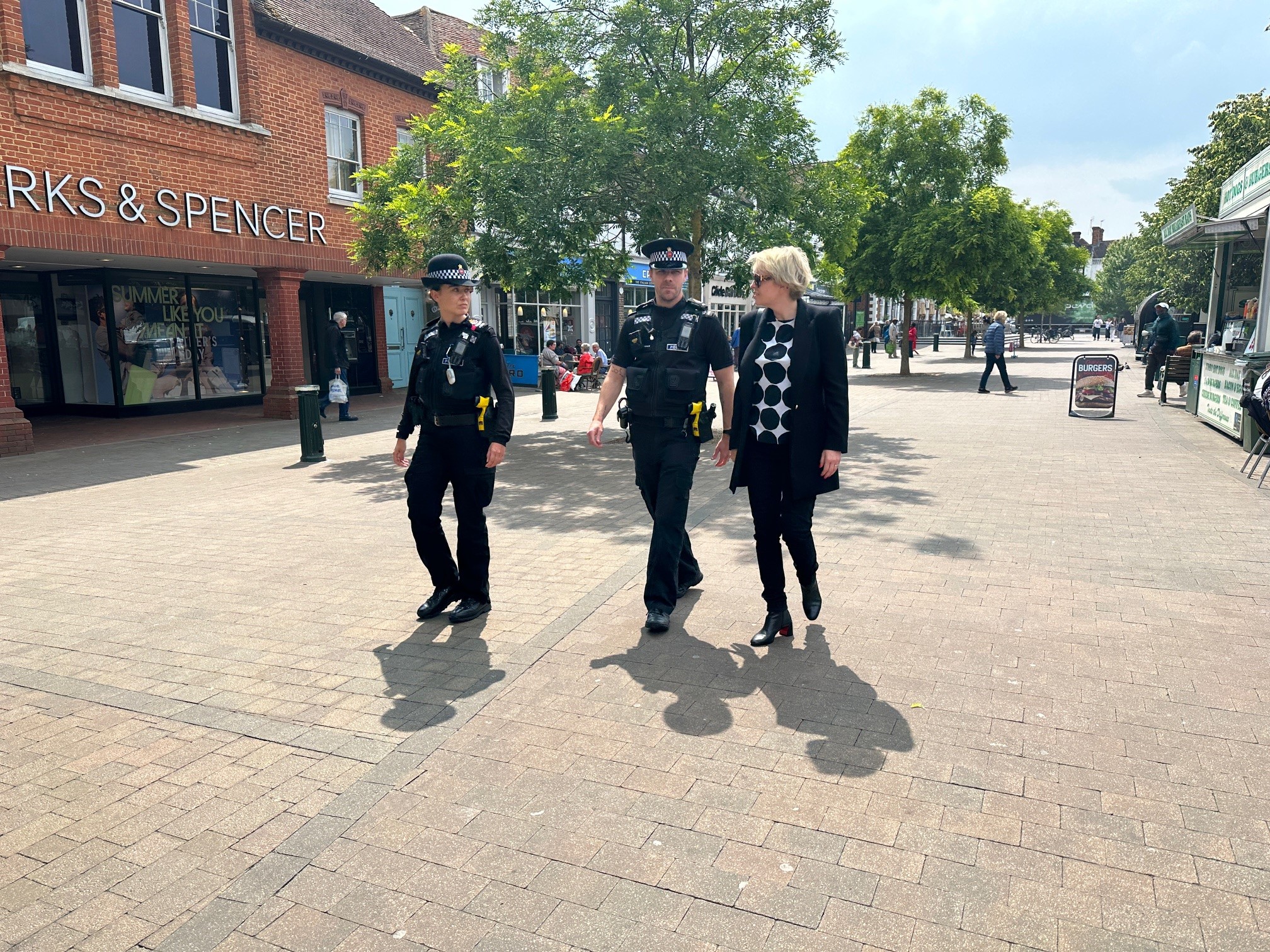
The image shows Police and Crime Commissioner Lisa Townsend walking through a town centre with two police officers in uniform. Lisa, who has blonde hair, stands on the right of the image. She wears a black jacket and trousers. The officers, one male and one female, are wearing their uniforms and police hats, and they are in the middle of a conversation with Lisa as they all walk past a branch of Marks and Spencer.

“It’s what residents want to see”: Surrey’s Safer Streets Summer begins

A MAJOR new campaign to keep Surrey’s town centres safe over the summer has launched. 

The Home Office-backed Safer Streets Summer Initiative will see a focus on the busiest areas of the county to bolster crime prevention and community safety. 

The scheme, which brings together the Office of the Police and Crime Commissioner, Surrey Police and partners across Surrey, including schools, councils, health services, businesses, and transport and community organisations, aims to tackle crimes that blight communities. 

Anti-social behaviour, violence against women and girls, retail crime and violent offending will be among the types of criminality targeted with visible patrols and special police operations. These crime types typically increase during the summer months.

Officers will also proactively use anti-social behaviour powers and visit retail premises to offer advice, reassurance and support. 

Locations for the initiative span the county, including Staines and Addlestone in the north, Farnham and Camberley in the west, Dorking further to the south, and Caterham in the east. 

Targeted activity will take place until September, with a range of activities planned in each of the towns. 

Plain-clothed officers will spot signs of suspicious behaviour in the county’s busiest nightspots, while joint operations are set to target crime enabled by motorbikes and mopeds. 

Youth engagement officers will work with partners to find opportunities for young people during school holidays, and roads policing teams will be on the lookout for dangerous or distracted drivers. 

Officers will also mount specific patrols tackling retail crime and anti-social behaviour in tandem with partners from environmental health, licensing and trading standards. 

News of the initiative comes as Surrey marks national Anti-Social Behaviour Awareness Week.

Anti-social behaviour is a key priority for the county’s Safer Neighbourhood Teams throughout the year, and more information on how to report anti-social behaviour or access help can be found here. 

Police and Crime Commissioner Lisa Townsend has made available funding for any developing town centre work that needs support over the course of the summer.  

The Commissioner said: “While Surrey remains one of the safest places to live in the country, I know that anti-social behaviour, retail crime and violence against women and girls are among the issues that matter most in our communities.

“The Safer Streets Summer Initiative will allow police officers and staff, along with our fantastic partners, to put a spotlight on neighbourhood policing and community safety. 

“This type of visibility is what residents have told me they want to see. 

“The aim isn’t simply police enforcement – it’s collaboration, and we aim not only to respond to crime, but to prevent it altogether. 

“A huge range of activities will be taking place across the summer. 

“More anti-social behaviour warning letters will be sent out, while data and intelligence will be used to identify areas that are disproportionately impacted by specific crime types. 

“There will also be various days of targeted action and close working with some of our key partners. 

“We will work with Business Improvement Districts to protect retailers and support vulnerable children to divert them away from crime. 

“Each of the town centres identified for additional work as part of the scheme will see its own tailored plan of action unfolding over the summer months. 

“I look forward to sharing more about this initiative in the weeks to come, and I wish all residents a Safer Streets Summer of their own.” 

Commissioner draws up plans for police priorities as roadshow attended by hundreds draws to a close

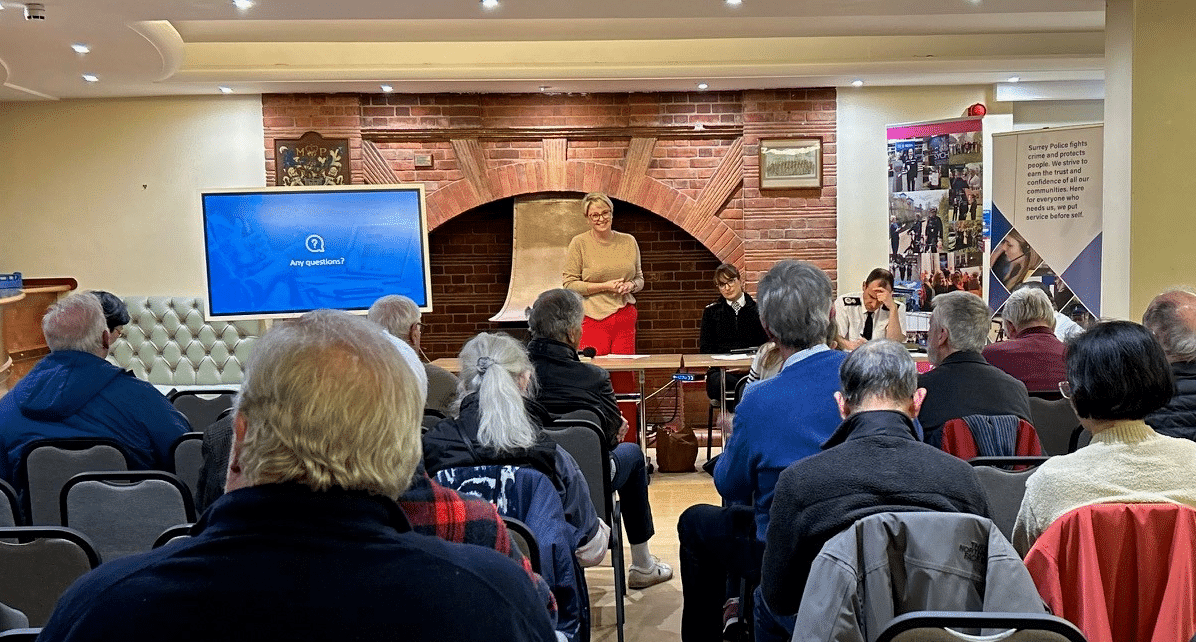
Hundreds of Surrey residents have had their say on the issues that affect them most as the Policing Your Community roadshow returned during the autumn and winter.

The events, which took place in each of the county’s 11 boroughs, as well as online, gave audiences the opportunity to share their thoughts about crime and policing where they live.

The series kicked off in Guildford borough in late September, and concluded with an online meeting on January 13. Around 100 people attended the virtual event, where questions ranging from CCTV use in Guildford and Cobham to delays to court cases were asked.

During the meetings, hosted by Police and Crime Commissioner Lisa Townsend, Surrey Police Chief Constable Tim De Meyer, and each of the Borough Commanders, a number of common concerns emerged.

These include anti-social behaviour, burglary, police visibility and shoplifting.

The Commissioner will shortly launch her Police and Crime Plan, created with the input of residents, community groups, businesses and victims’ services across Surrey.

The Plan, which provides a blueprint for policing priorities in the county until 2028, will reflect the concerns raised by communities.

Lisa is also currently asking residents what they’d be prepared to pay to support policing in Surrey. You can have your say HERE.

Surrey Police is dedicated to tackling crime. In the past 12 months, the force has more than doubled its charge rate, with an additional 3,500 offences prosecuted.

An additional 2,500 arrests have been made, and both burglary and assault with injury charges have increased by 90 per cent, while shoplifting offences have increased four-fold, with 876 more offences charged across the country.

Meanwhile, charge rates for offences related to violence against women and girls, rape and child abuse have doubled.

Funding secured by the Commissioner is being used across the county to tackle anti-social behaviour and crime hotspots in 10 of the 11 boroughs.

The Commissioner said: “The most crucial part of my role is to represent the voices of Surrey’s residents when it comes to policing.

“The Policing Your Community events allowed both myself and the Chief Constable to hear what people are most concerned about where they live, and to answer any questions they may have.

“My upcoming Police and Crime Plan, which sets the priorities for police in Surrey, will reflect some of the issues we have heard during the roadshow.

The Chief’s own plan, which is designed to take the fight to criminals by relentlessly pursuing the most prolific offenders, tackling pockets of lawlessness, and driving drug dealers and shoplifting gangs out of the county, is working.

“Surrey Police is one of the fastest-improving forces in the country, and our officers and staff are more determined than ever to make this county a hostile place for criminality.

“In the coming weeks, I’ll be sharing more about my plans for the coming years, and I’ll be highlighting some of the fantastic work that goes on day in, day out by our hard-working teams.”

Commissioner says drink- and drug-driving is “never, ever worth the risk” as national campaign begins

Surrey’s Police and Crime Commissioner has warned there is “never, ever” an excuse for drink- or drug-driving as a national campaign begins.

There will be increased drug tests, breath tests, stop checks and patrols on Surrey’s roads throughout December as part of Operation Limit, the nationwide campaign to tackle intoxicated driving.

There has been a rise in the number of drug-drivers arrested across Surrey, leading to a renewed focus from the Force.

During last year’s campaign, there were 199 arrests for drink or drug driving in the county.

Being over the limit can have fatal consequences, with drink and drug driving one of the main causes of death or serious injuries on our roads.

Police and Crime Commissioner Lisa Townsend said: “Every time a driver gets behind the wheel, they are committing themselves to a huge responsibility.

“They are not only responsible for themselves, but for their passengers and everyone else they encounter on their journey.

“That’s why it’s so appalling for motorists to drink or take drugs before driving. It’s a dangerous and selfish act that can forever change a life, and I cannot overstate how important it is to remain sober, patient, and attentive at the wheel.

“There is no excuse whatsoever for this behaviour, and it is never, ever worth the risk.”

Superintendent Rachel Glenton, head of Surrey and Sussex Roads Policing Unit, said: “Our officers will be joined by officers from across the force to carry out increased patrols and stop checks on the road networks.

“This is in addition to our existing patrols which we carry out 24 hours a day, every day of the year.

“Through education, engagement, and enforcement, we aim to reduce the devastating impact of drink and drug-driving.

“We will deal robustly with offenders. So, while our officers can’t be everywhere, they could be anywhere and there really is no excuse for drivers who put their own safety and the safety of everyone else at risk.”

The consequences of drink or drug driving include:

  • Killing or seriously injuring yourself or someone else
  • A minimum 12-month ban
  • An unlimited fine
  • A possible prison sentence
  • A criminal record, which could affect your current and future employment
  • An increase in your car insurance costs
  • Difficulty travelling to countries such as the USA

If you know someone is driving while over the limit or after taking drugs, call 999.

You can also contact the independent charity Crimestoppers anonymously on 0800 555 111 or report online at www.crimestoppers-uk.org.

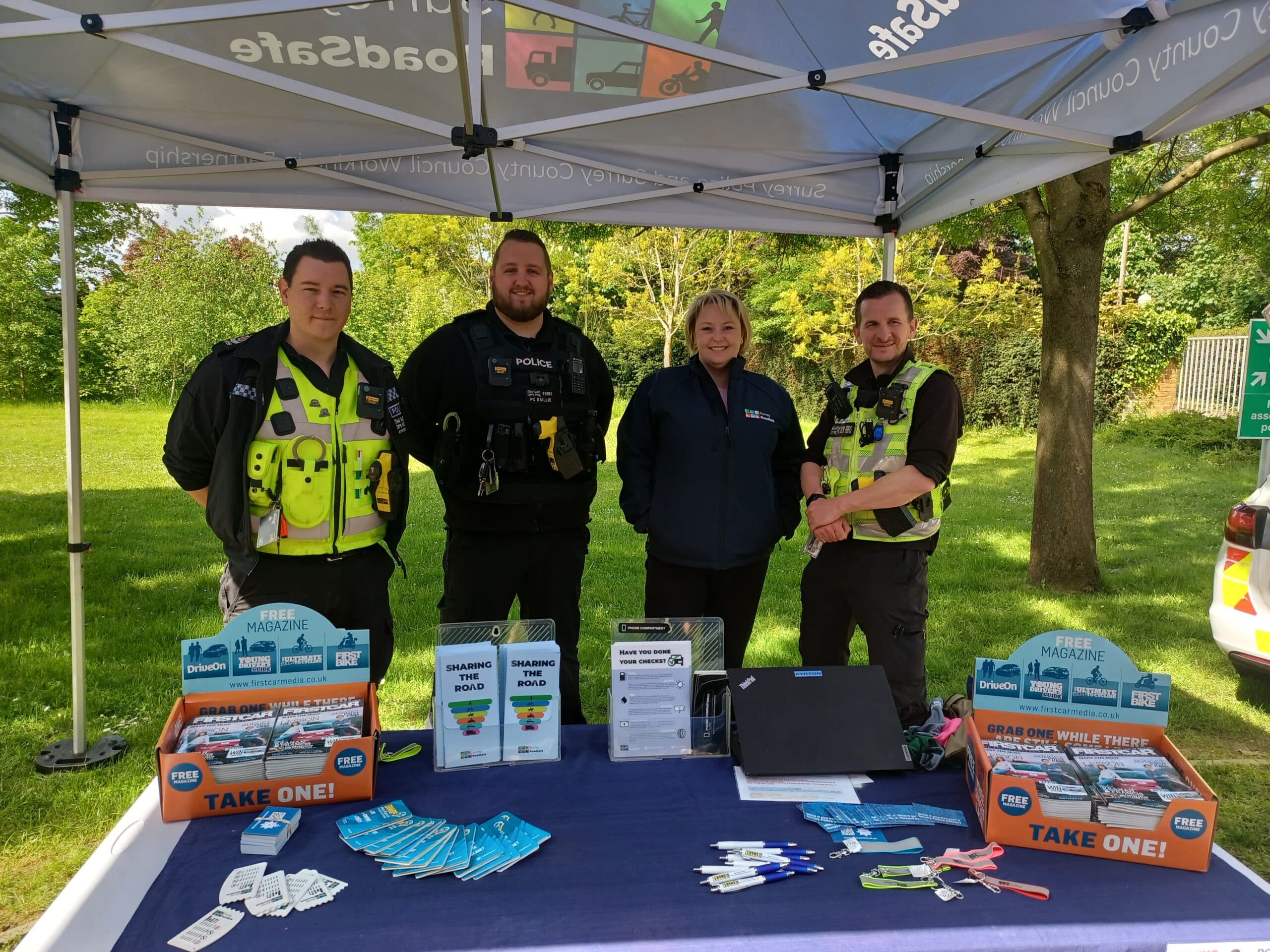
The campaign is being supported by Surrey RoadSafe.

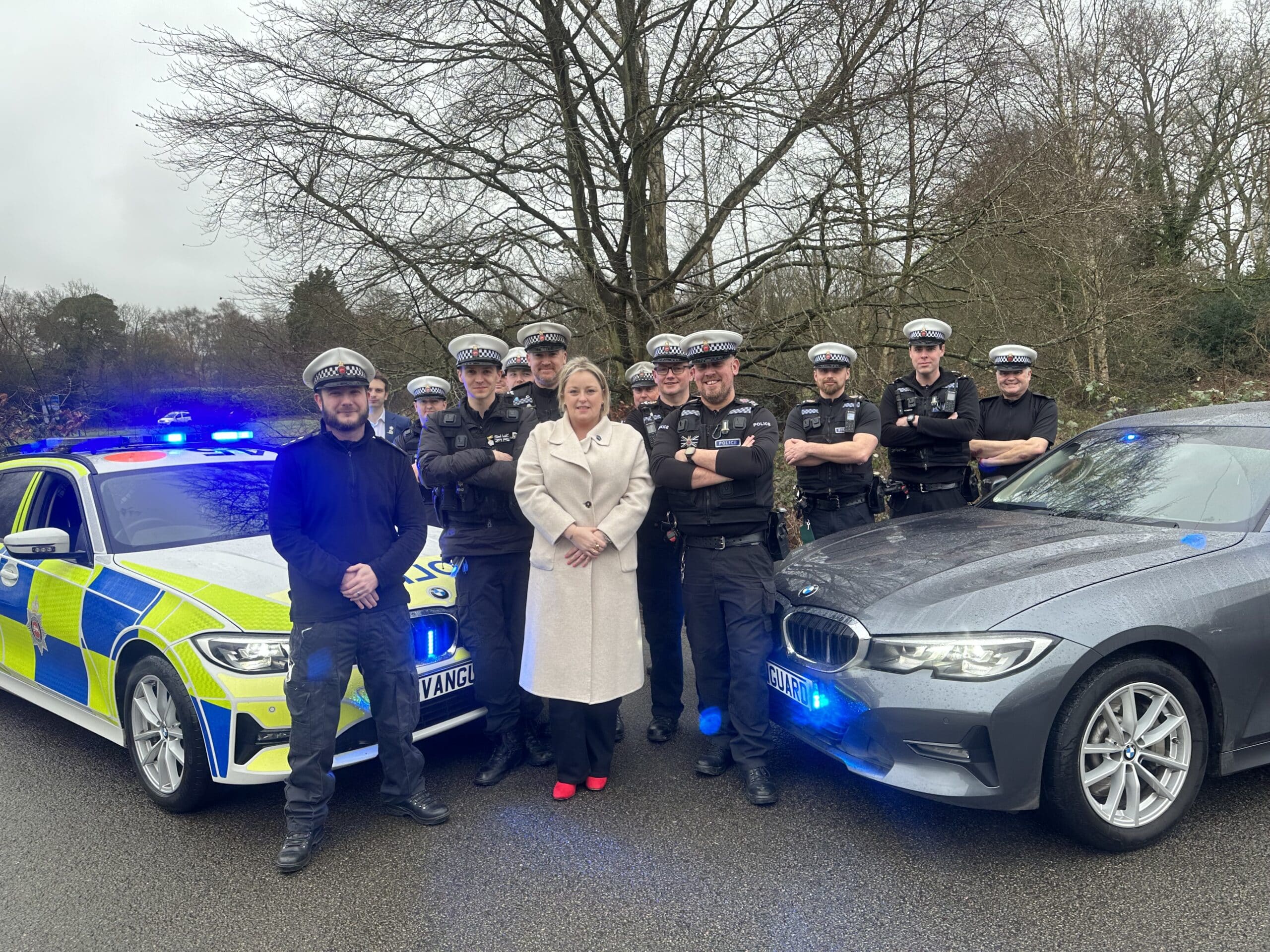
Police and Crime Commissioner Lisa Townsend with members of the Surrey Police vanguard road safety team

“Reckless drivers are warned: the Vanguard Road Safety Team can’t be everywhere, but they could be anywhere”

SURREY’S Police and Crime Commissioner has celebrated the anniversary of a team of officers who are dedicated to saving lives on the county’s roads.

Lisa Townsend visited the Vanguard Road Safety Team at their HQ near Guildford to mark a year of successes.

Vanguard officers specifically target motorists who commit ‘Fatal 5’ offences of inappropriate speed, not wearing a seat belt, driving under the influence of drink or drugs, distracted driving and careless driving.

Between 2020 and 2022, 33 per cent of all serious injury and fatal collisions on Surrey’s roads involved speed, and 24 per cent involved careless driving.

In just 12 months, the Vanguard team made 930 interventions to prevent Fatal 5 offences, arrested 204 people, and seized 283 vehicles.

Fatal 5

They were also the best-performing team in the South East during Operation Tramline, a national initiative which involves the deployment of a Highways England heavy goods vehicle to spot drivers committing offences on major roads.

The Commissioner said: “Fatal 5 offences are crucially important issues to tackle.

“But Vanguard’s officers don’t just focus on enforcement. Their aim is to change drivers’ behaviour, now and into the future, so the roads are safer for all who use them.

“Anyone who lives in Surrey will be well aware of how busy our roads are.

“Our motorways are some of the most highly-used in the country, which is why road safety is a key priority in my Police and Crime Plan, and why I’ve taken on a role as the national lead for transport safety for the Association of Police and Crime Commissioners.

‘It ruins lives’

“Distracted and dangerous driving ruins lives, and behind every victim is a family, friends and a community.

“And for drivers out there now committing Fatal 5 offences, be warned – our officers can’t be everywhere, but they could be anywhere.”

Sergeant Dan Pascoe of the Vanguard Road Safety Team said: “We know that statistically, most serious injury and fatal collisions result from the commission of the Fatal 5.

“It’s so important to deal with these offences so the roads are safer for everyone.”

Commissioner Lisa Townsend with members of the Vanguard Road Safety Team

Police and Crime Commissioner Lisa Townsend with road safety officers

Speeding linked to a third of all serious and fatal crashes in Surrey – with half of all tragic collisions taking place on 30mph urban roads

SPEEDING and careless driving are responsible for more than half of all serious injury and fatal collisions on Surrey’s roads, the county’s Police and Crime Commissioner has warned.

Lisa Townsend, who is this week marking charity Brake’s Road Safety Week, said most serious collisions happen in urban areas during mid-afternoon – as children leave school for the day.

Figures from Surrey RoadSafe, a partnership working to reduce the number of people killed and injured on the roads, reveal that more than three-quarters of all serious crashes take place in an urban setting.

Speeding is linked to 33 per cent of all crashes, with careless driving responsible for 24 per cent of crashes.

Speeding linked to a third of tragic crashes

The majority of all serious crashes – 50 per cent – take place within a 30mph speed limit. The most likely time for a collision is between 3pm and 5.59pm, with 22 per cent of all serious incidents taking place in the timeframe.

In total, 2,030 people were killed or seriously injured in collisions in Surrey between 2020 and 2022.

More than a quarter of casualties were drivers, 22 per cent were cyclists, and 19 per cent were on powered two-wheelers, including motorcycles and mopeds. More than one in 10 of the total casualties was a pedestrian.

Lisa, who leads on transport safety nationally for the Association of Police and Crime Commissioners, said there is “no excuse good enough” for driving recklessly on the county’s roads.

‘Take driving seriously’

“These figures should give every single driver pause,” she said.

“It is absolutely horrifying that a majority of serious or fatal crashes in Surrey take place during daylight hours in our towns, and that speeding is behind a third of these collisions.

“I want to reiterate yet again that driving is a responsibility. It is the most dangerous activity most people will carry out as part of their day-to-day lives, and it should be treated with the seriousness that it deserves.

“Every serious or fatal crash will change the lives of a family, a friendship group and a community.

“The impact is impossible to quantify.

“People die through impatience”

“We are very lucky here in Surrey to have two fantastic teams dedicated to educating road users and enforcing driving laws – the Vanguard Road Safety Team and the Roads Policing Unit.

“But each driver bears the weight of driving responsibly and safely in order to keep themselves and others safe.

“Many crashes are completely avoidable, but people are dying on our roads through impatience and carelessness.

“Making our roads safe is a top priority in my Police and Crime Plan, and I am dedicated to this aim.”

Police and Crime Commissioner Lisa Townsend next to police van

“It wasn’t me – my one-night stand borrowed the car”: Commissioner shares worst-ever excuses for speeding as she marks Surrey Police campaign

SURREY’S Police and Crime Commissioner has shared some of the worst excuses ever given to officers by speeding drivers as a county-wide roads campaign begins.

Lisa Townsend, who also serves as the national lead for road safety and transport for the Association of Police and Crime Commissioners, is urging drivers to slow down during Surrey Police’s Vulnerable Road Users Campaign.

It comes as new Department for Transport data reveals that in 2022, 50 per cent of car drivers across the UK routinely exceeded the limit on 30mph roads.

The Vulnerable Road Users Campaign, which began on September 11, calls for all road users to be mindful of those who may be at higher risk when travelling, including pedestrians, cyclists and motorcyclists.

Campaign begins

Between 2012 and 2021 in Surrey, 76 pedestrians, 26 cyclists and 57 motorcyclists died on the roads, while 928 pedestrians, 1,323 cyclists and 1,469 motorcyclists were seriously hurt.

Nationally, half of all road fatalities in 2022 were vulnerable road users.

Lisa has warned that there’s “no excuse” for exceeding the limit as officers from Surrey Police’s Vanguard Road Safety Team told of the worst explanations speeding drivers have given.

One driver caught motoring at more than 100 miles per hour on the M23 told officers they feared the second-hand car they were on the way to buy would be sold by the time they arrived.

Another revealed they’d put their foot down because they were running late for court.

‘No excuse’

Motorists who receive a Notice of Intended Prosecution after activating speed cameras often claim they were speeding in order to avoid a collision, while others say they thought they were being “followed” – despite making no reports to police at the time.

Others had more unusual excuses.

One speeding driver said they and their passengers had drunk a lot of water and needed to get to the toilet, while another motorist caught by a camera had a claimed they couldn’t identify the real driver because they’d allowed a one-night stand to borrow the vehicle.

And a driver caught on red light camera said a sneeze was responsible for their failure to stop.

One-night stand explanation

Lisa said: “Our fantastic roads policing officers have heard every excuse there is for careless, distracted and dangerous driving.

“But as the Vulnerable Road User Campaign gets underway, I want to reiterate that there simply is no excuse.

“For most of us, driving is the most dangerous thing we’ll do day-to-day. As an activity, it is likely to have the highest potential to cause harm to ourselves and others.

“There are simple measures every road user can take to avoid crashes, including cutting speed, putting mobile phones away in the glove box, being completely sober at the wheel and giving their complete attention to the task of driving.

The Commissioner is pictured with Surrey Police’s Vanguard Road Safety Team

“Many crashes are entirely avoidable, but people are dying on our roads as the result of bad driving, reckless decisions and even the most momentary lapses in concentration.

Stopping any more deaths is a top priority in my Police and Crime Plan, and I am dedicated to making roads safer for all users.”

Sergeant Dan Pascoe of the Vanguard Road Safety Team said: “Between 2020 and 2022, speeding contributed to 33 per cent of collisions where people were killed and seriously injured on our roads.

“This is why it is classed as one of the Fatal 5 offences that my team and I work endlessly to reduce.

“There really is no excuse for putting lives or your licence at risk. Remember, we can’t be everywhere, but we could be anywhere.”