We all have a responsibility to recognise the warning signs of modern slavery and report our concerns – that is the message from Deputy Police and Crime Commissioner Ellie Vesey-Thompson on this year’s anti-slavery day.
Ellie chose to speak about the scourge of human exploitation to mark the global awareness event that takes place annually on October 18th.
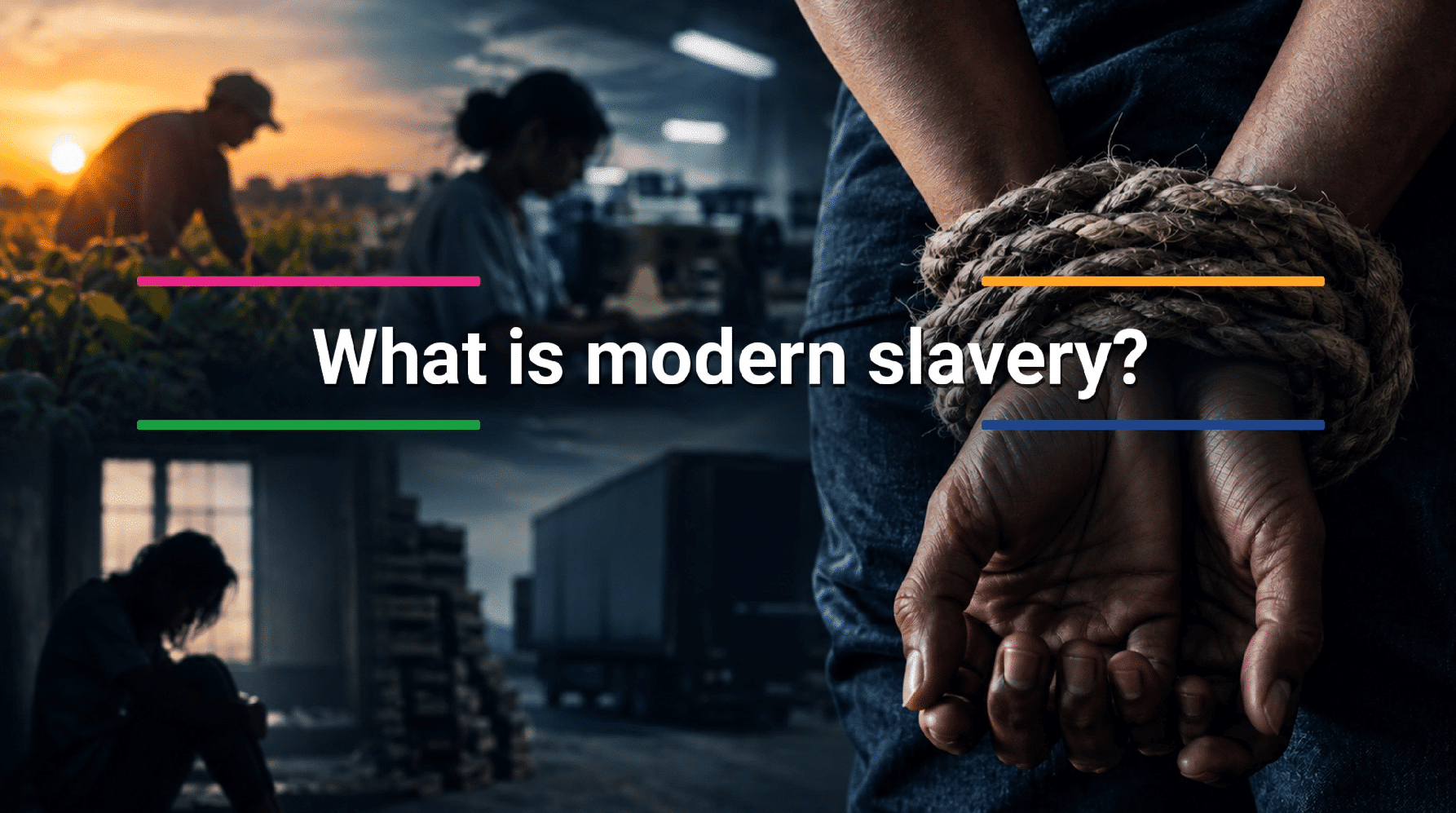
Modern slavery covers crimes in which people are exploited through force, threats, deception or coercion. Victims may be unable to leave their situation because they fear violence, have no access to money or identity documents, or have been threatened with harm to themselves or their families.
It is currently estimated that 130,000 people are held in slavery in the UK.*
Crime hiding in plain sight
Modern slavery is often described as a crime hiding in plain sight. Victims may be forced to work in car washes, nail bars, factories, farms or restaurants. Alongside forced labour, modern slavery can also take other forms including domestic servitude, sexual exploitation, human trafficking and criminal exploitation. Anyone can become a victim, regardless of their age, nationality or background, including children.
There were 119 offences of modern slavery recorded by Surrey Police from January to June 2026. Within these investigations, 104 potential victims of modern slavery were referred into the National Referral Mechanism for consideration of further support. Surrey’s road network and proximity to Channel ports make the county a potentially ripe transit route for human traffickers.
Surrey Police’s Strategic Lead for modern slavery and organised immigration crime, T/DCI Dan Voller said: “Modern slavery exists in our communities. There is no typical victim, but it can be more prevalent among the most vulnerable or within minority or socially excluded groups.
“It can remain unseen until recognised and acted upon. Understand the signs of exploitation and report any concerns you have. You may be the person who changes a life by helping to free someone from abuse and exploitation.”
How to spot the signs
Victims of modern slavery may exhibit the following signs:
- Appear under the control of others
- Not be able to travel alone, nor interact with other people
- Appear lost, withdrawn or afraid
- Malnourished, unkempt and possibly wearing the same clothes everyday
- Showing signs of physical abuse or injury
- Avoiding eye contact
- Working long hours with no breaks
- Having few possessions
- Lacking in identity documents such as passport or driving licence
- Not familiar with the area in which they live and work
- Living in cramped, dirty or overcrowded conditions
- Unusual travel arrangements such as being picked up very early and dropped off late at night.
Ellie Vesey-Thompson said: “Tackling modern slavery requires collective action. Police and specialist organisations cannot identify every victim without information from the public.
“We all have a responsibility to recognise the warning signs of modern slavery and report our concerns. Modern slavery thrives when exploitation goes unnoticed and so victims remain hidden.
“Let’s make Surrey a place where modern slavery is recognised, reported and challenged – not ignored.
“ If something doesn’t look or feel right, don’t ignore it, report it to the police when it’s safe to do so. Your actions could help save someone’s life.”
How to report modern slavery
If you suspect that someone is a victim of modern slavery, there are three main ways to report your concerns:
- The Modern Slavery and Exploitation helpline operated by the charity, Unseen, is open throughout the year between the hours of 8am to 9pm – telephone number 08000 121 700.
- Crimestoppers reporting can be done anonymously via their website or by calling 0800 555 111.
- Surrey Police, via their website or by calling 101. You can also seek advice from your local safer neighbourhood policing team. If someone is in immediate danger, then always call 999.
*Source: Crimestoppers